Life is Strange – Video Game Review
A deeply personal Life Is Strange review exploring its rewind mechanic, queer romance between Max and Chloe, emotional storytelling, and why this iconic narrative video game still resonates years later.
VIDEO GAME REVIEWS
1/27/2026
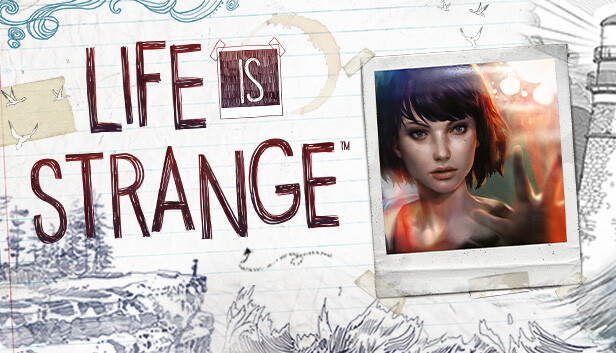
Some games are fun.
Some games are impressive.
And then there are games like Life Is Strange that completely consume you.
From the very first episode in Arcadia Bay, I was gone. Pulled in. Hooked. I have never been so deeply immersed in a video game before. It doesn’t gently introduce you to its world. It drops you right into it and lets the emotional current take over.
A Soundtrack That Stays With You
And the music.
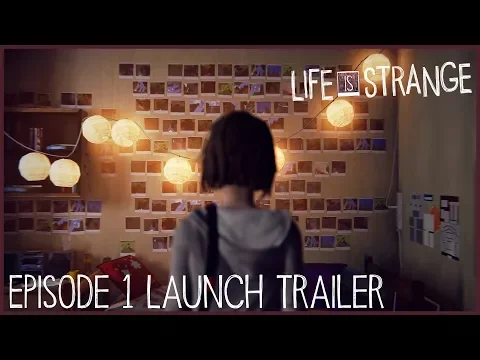
The soundtrack deserves all the praise in the world. To this day, years later, the songs are still in my playlist. There’s something incredibly healing about them. They don’t just accompany the story; they hold it. They sit with you in the quiet moments. They soften the heavy ones. They make everything feel intimate and almost fragile.
Sometimes I replay the songs and I’m instantly transported back to dorm rooms, lighthouses, and late-night conversations. That kind of emotional permanence is rare.
Queer Stories That Feel Real
But what truly makes Life Is Strange unforgettable is its storytelling.
This was the first queer game I played that had a genuinely strong, layered, beautifully written narrative. Not just representation for the sake of it, but a story that stands on its own, regardless of labels.
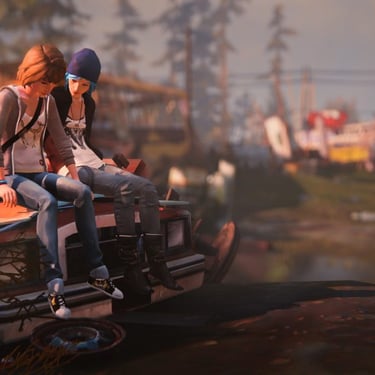
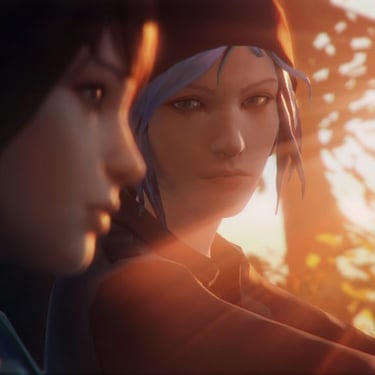
The dynamic between Chloe and Rachel carries this intense, almost chaotic energy. It feels reckless and consuming in a way that makes sense for who they are. And then there’s Chloe and Max. Softer. Nostalgic. Filled with unresolved feelings and quiet longing. The game allows space for both dynamics. It doesn’t rush them. It doesn’t force them. It simply lets them unfold.
And that’s what makes the queer relationships in this game so powerful: they feel natural. Organic. Real. The tension builds slowly. The glances linger. The history matters. Nothing feels like it’s ticking a representation checkbox. It feels like two people trying to understand what they mean to each other.
That authenticity meant everything to me.
The Rewind Mechanic as a Metaphor for Life
The story itself is innovative in a way that still amazes me. The rewind mechanic is brilliant, not just as gameplay, but as a metaphor.
Yes, you can go back. Yes, you can change what you said. But can you really undo the impact? Can you control the ripple effect?
At its core, Life Is Strange carries a quiet but powerful message: you can’t truly rewind life.
Every choice you make shapes your path. Even the bad ones. Especially the bad ones. Every tiny decision builds toward your future self. The game gently reminds you that who you are is a collection of moments, mistakes included. That’s such a beautiful, existential message. You are not defined by one action. You are defined by the accumulation of them.
Side Characters That Break Your Heart
And then there are the side characters.
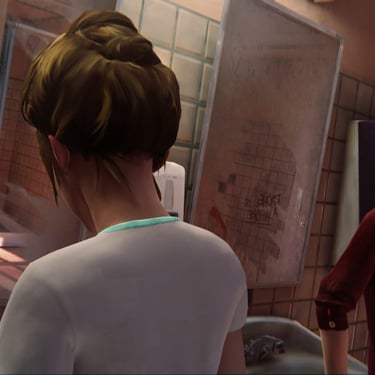
Kate’s storyline, for example, is handled with such emotional care that it genuinely hurts. You feel responsible. You feel protective. You feel helpless. The game makes you care not just about the main characters, but about everyone orbiting around them. They all feel human. Flawed. Vulnerable. Real.
By the time the final choice arrives, you’re emotionally wrecked, in the best way possible. Because suddenly it’s not about gameplay anymore. It’s about love. About sacrifice. About what, and who, truly matters.
When Emotion Matters More Than Perfection
I have played many games since. Some bigger. Some flashier. Some technically more advanced.
But nothing has ever pulled me in the way Life Is Strange did.
For the music.
For Chloe.
For Max.
For Rachel.
For Kate.
For the choices that hurt.
For the reminder that every decision shapes who we become.
It’s a 10/10 for me. Not because it’s perfect, but because it feels.
And sometimes, that’s more powerful than anything else.
10 out of 10
Questions, thoughts, or book suggestions? Reach out!
© 2026 ChaoticSapphics. All content unless otherwise stated is owned by Chaotic Sapphics. All rights reserved.