
The First Aid Kit for Anxious Attachment
Learn how a simple first aid kit can help soothe anxious attachment, reduce spirals, and bring reassurance during moments of emotional overwhelm.
ATTACHMENT CHAOS
2/8/2026
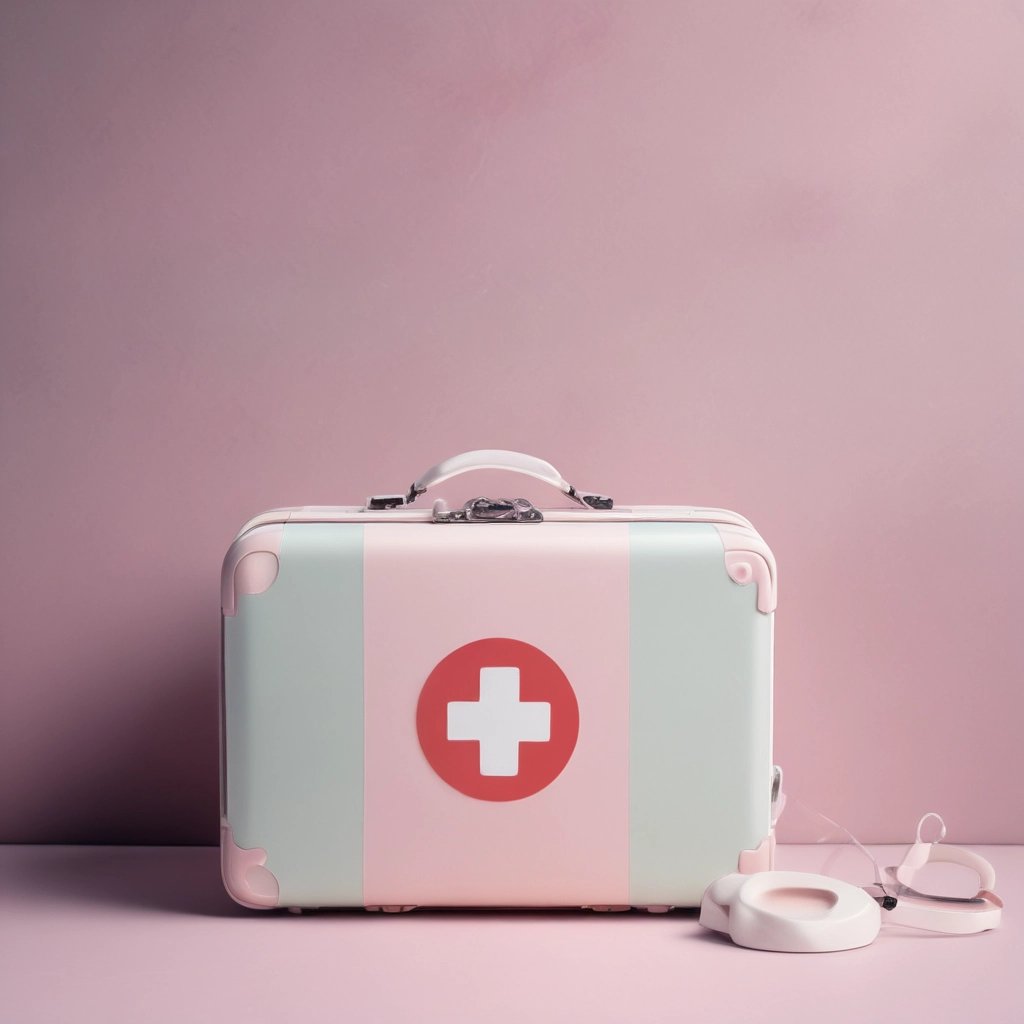
If you’re someone who leans anxious in relationships – those of us who sometimes read too deeply into a delay in a reply or can feel abandoned even when nothing has gone wrong – then you’ve probably wished for an off‑button for your spiralling thoughts. Anxious attachment isn’t a flaw; it’s usually the legacy of childhood unpredictability. When those feelings flare up, having a plan can make a huge difference. That’s where the idea of a “first‑aid kit” comes in. For us, this kit has proved to be incredibly helpful in stopping spiralling thoughts and keeping a level head.
Think of this kit like a love‑infused toolbox: a collection of tangible reminders and grounding practices that soothe your nervous system during moments of panic. It’s most effective when created together – especially in queer or sapphic relationships where our attachment patterns might play out differently against broader social narratives. Here’s how to build one.
What goes in your “kit”?
1. Memories that anchor you
Printed photos or Polaroids of small, happy moments: that rainy‑day café date, the day you met each other’s friends, the goofy selfie you took after finishing a difficult project. Touching a photo is more grounding than scrolling through a phone.
Tickets, receipts or notes from meaningful events: a movie stub from your first date, a train ticket from a weekend getaway, a napkin with doodles from a favourite restaurant. They might seem trivial until you pick them up on a bad day and remember the laughter.
Hand‑written love letters or cards. If writing letters feels too formal, ask your partner to jot down five things they love about you on separate slips of paper. Put each one in an envelope and open one when you need a boost. Seeing your partner’s handwriting can be unexpectedly reassuring.
2. Gentle sensory items
A soft scarf or fabric sprayed with your partner’s perfume/cologne or the scent of their favourite candle. Scent is directly linked to memory; breathing in their smell can shorten the distance between your panic and their presence.
A grounding object like a smooth stone or piece of wood that fits in your hand. Holding it and noticing its texture can help you return to the present. We actually use a similar concept called 'The Token' to help the avoidant partner stay present during 'cocoon mode'.
3. Words that ground you
Printed screenshots of supportive messages your partner has sent you when you were anxious before. Highlight or underline parts that hit home and remind you that your feelings are seen.
Affirmations or mantras you’ve come up with together. Example: “I am loved even when I feel scared.” Recite them out loud while looking at a photo of the two of you.
4. Agreements and resources
A pre‑agreed plan for what to do when anxiety spikes. Maybe you have a code word (“orange”) you can text when you need reassurance, or a ten‑minute phone call you can ask for without needing to explain everything. Having this written down and tucked in the kit reminds you there is a plan.
Grounding exercises that work for you. Write down a breathing exercise, a quick body scan or a link to a guided meditation. It doesn’t have to be elaborate; it just needs to be accessible when you’re overwhelmed.
Why it works
When our attachment system is activated, we slip into survival mode. Our brain isn’t interested in logic; it’s busy trying to protect us from perceived abandonment. A first‑aid kit speaks to the parts of us that need proof: it offers physical evidence of love, commitment and security. The act of building it together can be just as therapeutic: you learn about each other’s triggers, share what helps and what doesn’t and demonstrate mutual investment in the health of the relationship. For the avoidant partner, contributing to the kit can be a tangible way of offering reassurance without feeling smothered; for the anxious partner, it’s a reminder that they are not “too much.”
Tips for making it your own
Keep it accessible. Store the kit in a place you can reach without rummaging through closets – a shoebox on your bookshelf, a small decorative box on your desk or even a folder within your journal. We used an old archive box for papers.
Update it regularly. After a significant event or milestone, drop something new into the kit. It doesn’t have to be picture‑perfect; the messy napkin from that time you laughed until you cried may hold more comfort than you think. Every little thing can mean a lot to overcome your panic.
Don’t use it as proof of obligation. The kit is not a transaction; it’s a comfort. Use it when you need grounding rather than to measure your partner’s affection.
Talk about it when you’re both calm. If your anxious attachment flares up and you use the kit, share that with your partner later. Let them know which items helped and discuss anything you might want to add.
Final thoughts
Building a first‑aid kit for anxious attachment isn’t about erasing your anxiety or pretending everything is perfect. It’s about acknowledging that some days will feel harder and having a gentle, loving plan for those days. In queer relationships, where our connections sometimes face extra layers of invisibility or misunderstanding from the outside world, this practice can serve as an act of resistance: we’re actively choosing to create safety and tenderness in the ways we know best. Whether your kit sits on a shelf or travels with you in your bag, it’s a quiet promise that you and your partner are a team, and that your love is worth nurturing even when your attachment wounds show up. The act of assembling the kit together was a major step in our healing process. We hope the same effect applies to all of you who need it. 🩷
Questions, thoughts, or book suggestions? Reach out!
© 2026 ChaoticSapphics. All content unless otherwise stated is owned by Chaotic Sapphics. All rights reserved.